Email Us
News

How Does ESD Anti Static PVC Sheet Support Controlled Manufacturing Environments?

2025-12-19

Abstract

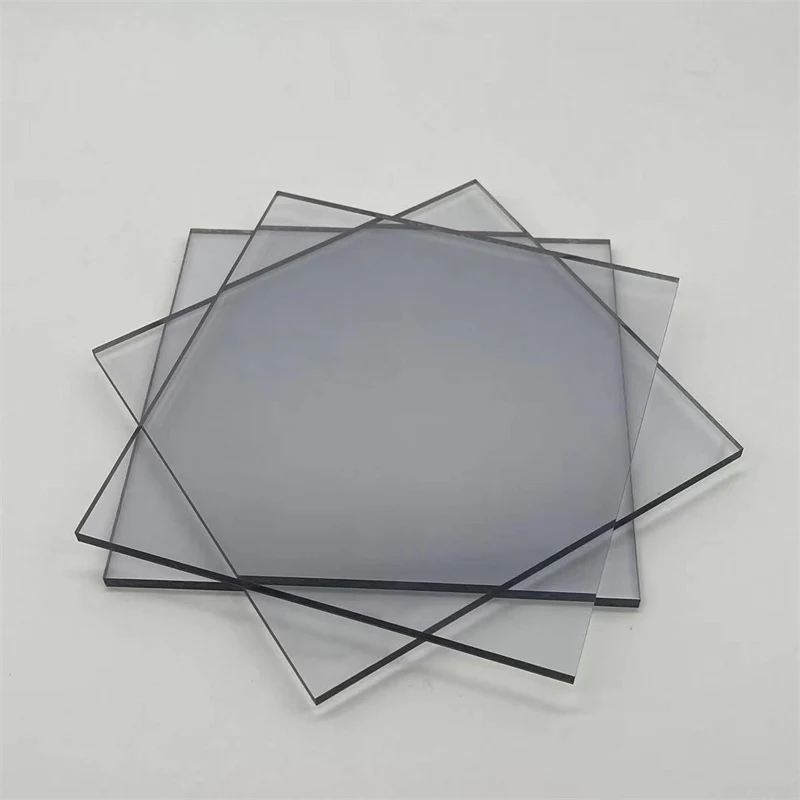
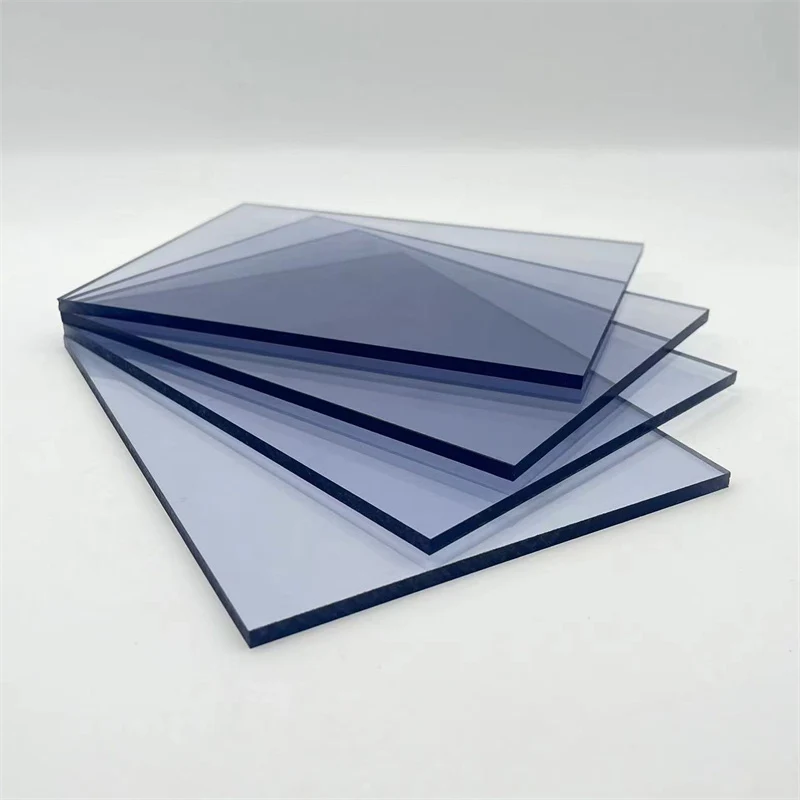
ESD Anti Static PVC Sheet is a specialized polymer sheet engineered to manage electrostatic discharge risks in sensitive industrial and electronic environments. This article provides a comprehensive technical analysis of how ESD Anti Static PVC Sheet is designed, specified, and applied across manufacturing, electronics assembly, laboratories, and cleanroom operations. The central focus explores how material structure, electrical properties, and surface performance interact to deliver consistent electrostatic control.  

ESD Anti Static PVC Sheet


Table of Contents


Article Outline

  • Definition and functional scope of ESD Anti Static PVC Sheet
  • Electrical and mechanical performance logic
  • Key specification parameters and compliance standards
  • Application environments and processing guidance
  • Common technical questions and engineering answers
  • Brand positioning and procurement direction

1. Product Overview and Technical Positioning

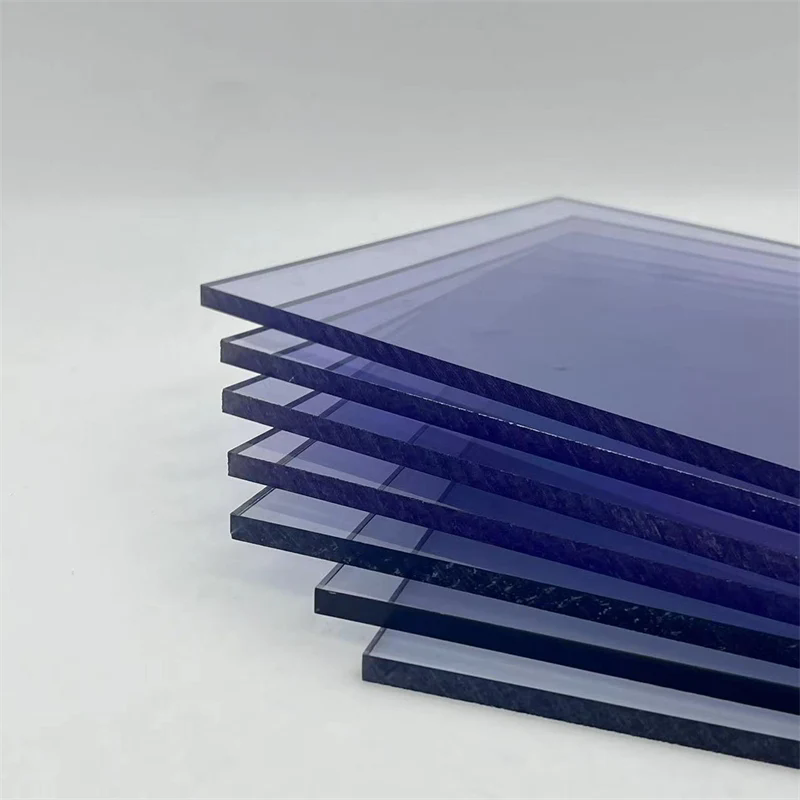
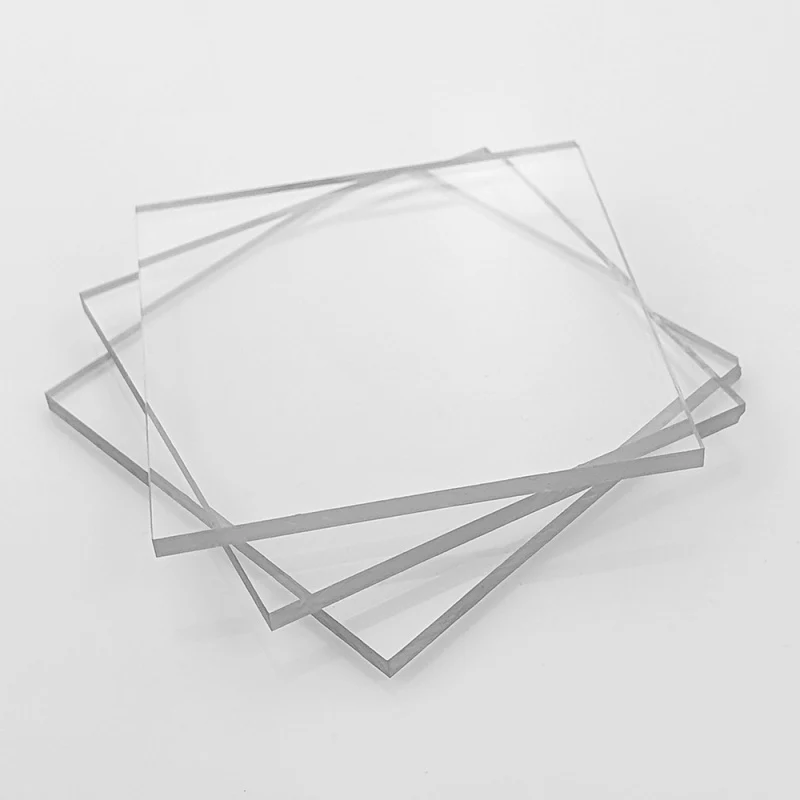
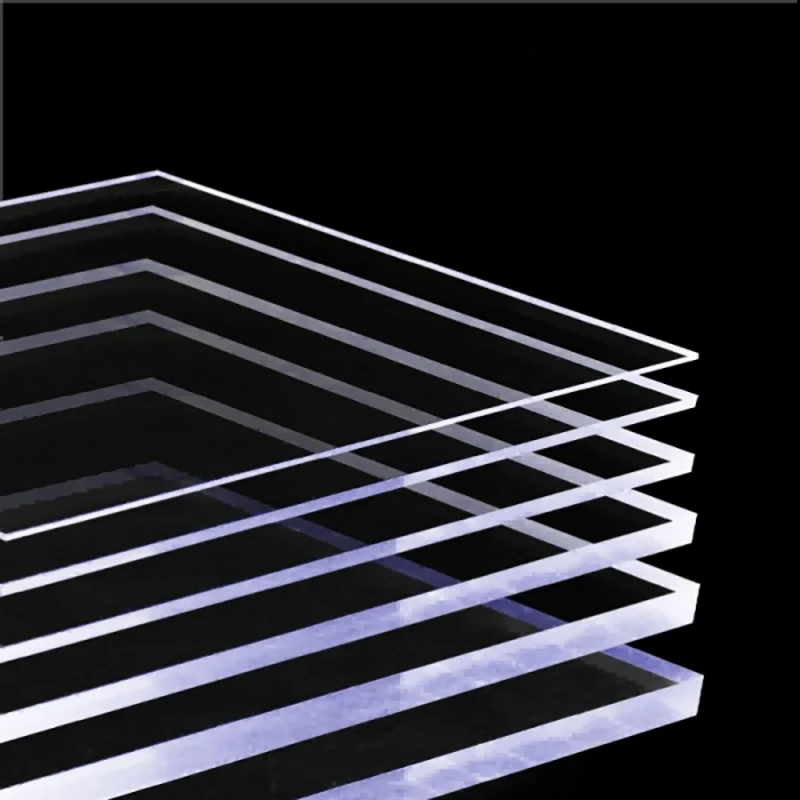
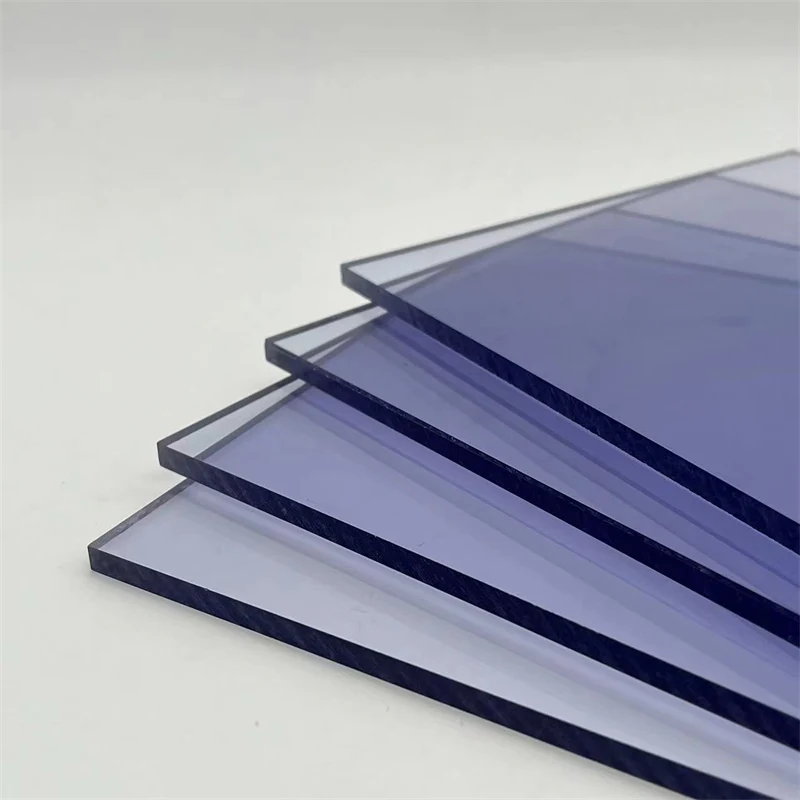
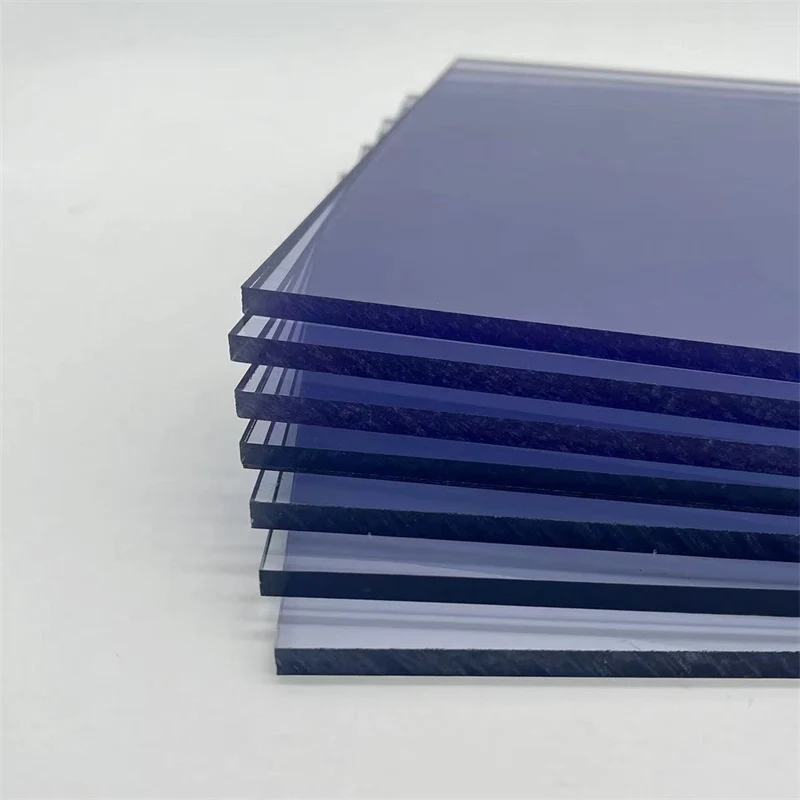
ESD Anti Static PVC Sheet is a thermoplastic sheet material formulated to dissipate static electricity in environments where uncontrolled electrostatic discharge may damage sensitive components or compromise production stability. Unlike standard rigid PVC sheets, this material incorporates conductive or dissipative additives that regulate surface and volume resistivity within a controlled range.

The core objective of ESD Anti Static PVC Sheet is to provide a stable, durable, and machinable surface that minimizes electrostatic accumulation while retaining the mechanical advantages of PVC, such as chemical resistance, dimensional stability, and ease of fabrication. The article centers on explaining how this balance is achieved and how it translates into real-world industrial performance.

From electronics assembly benches to cleanroom partitions and equipment enclosures, ESD Anti Static PVC Sheet functions as a passive electrostatic management component. Its value lies not in active grounding alone, but in predictable electrostatic behavior across temperature, humidity, and service life variables.

Key Product Parameters

Parameter Typical Range
Surface Resistivity 10⁶ – 10⁹ Ω/sq
Volume Resistivity 10⁷ – 10¹⁰ Ω·cm
Thickness Range 0.5 mm – 20 mm
Standard Sheet Size 1000 × 2000 mm / Custom
Operating Temperature -10°C to +60°C
Flame Rating UL94 V-0 (optional)

2. How Is ESD Anti Static PVC Sheet Engineered?

How does material formulation control static behavior?

ESD Anti Static PVC Sheet achieves electrostatic control through the integration of conductive fillers or permanent antistatic agents dispersed uniformly within the PVC matrix. This formulation ensures consistent resistivity across the entire sheet surface rather than relying on topical coatings that may degrade over time.

How does surface resistivity influence ESD protection?

Surface resistivity determines how quickly static charges can dissipate across a material. In ESD Anti Static PVC Sheet, resistivity is engineered to fall within the dissipative range, allowing charges to move slowly and safely to ground without sudden discharge that could damage electronic components.

How does PVC structure support mechanical stability?

PVC’s molecular structure provides rigidity and impact resistance while maintaining excellent dimensional stability. When combined with ESD additives, the base polymer continues to support machining, bending, and thermoforming processes without compromising electrical performance.


3. How Should ESD Anti Static PVC Sheet Be Selected and Applied?

How does application environment affect specification?

Environmental conditions such as humidity, temperature variation, and chemical exposure directly influence material selection. Cleanroom applications prioritize low particle generation, while industrial workshops may emphasize impact resistance and thickness.

How is grounding integrated into sheet installation?

Although ESD Anti Static PVC Sheet dissipates static naturally, optimal performance is achieved when sheets are properly grounded through conductive fasteners or grounding points. This ensures consistent electrostatic flow and compliance with ESD control standards.

How does fabrication impact ESD performance?

Cutting, drilling, and bonding processes should be performed using methods that avoid localized overheating or contamination. Proper fabrication preserves uniform resistivity and prevents performance variation across finished components.


Common Questions About ESD Anti Static PVC Sheet

Q: How does ESD Anti Static PVC Sheet differ from conductive PVC?
A: ESD Anti Static PVC Sheet operates in the dissipative range, allowing controlled charge movement, whereas conductive PVC enables rapid charge transfer, which may not be suitable for sensitive electronics.

Q: How long does the antistatic performance last?
A: Performance is permanent when achieved through internal additives, maintaining stable resistivity throughout the product’s service life under normal operating conditions.

Q: How should ESD Anti Static PVC Sheet be cleaned?
A: Cleaning should be performed using neutral detergents and non-abrasive cloths to avoid surface damage and preserve electrostatic properties.


4. How Does ESD Anti Static PVC Sheet Perform Over Time?

Long-term performance depends on material consistency, environmental exposure, and installation quality. Properly engineered ESD Anti Static PVC Sheet maintains stable electrical properties even after prolonged mechanical stress and routine cleaning cycles.

Periodic resistivity testing is recommended in regulated industries to ensure compliance with internal ESD control programs. Sheets that are internally antistatic demonstrate superior aging performance compared to surface-treated alternatives.

From a lifecycle cost perspective, durability and performance stability reduce replacement frequency, contributing to predictable maintenance planning and operational reliability.


Conclusion and Brand Reference

Within global ESD control solutions, ESD Anti Static PVC Sheet continues to play a critical role in protecting sensitive processes and equipment. Manufacturers such as Jiangsu Andisco focus on consistent material formulation, strict quality control, and application-driven engineering to meet diverse industrial requirements.

For organizations seeking technically reliable ESD Anti Static PVC Sheet solutions tailored to specific operating environments, professional consultation ensures accurate specification and long-term performance alignment.

Contact us to discuss application requirements, technical specifications, and customized ESD Anti Static PVC Sheet solutions designed to support controlled manufacturing and electronic environments.

Related News
Mobile
+86-15651821007
Address
No. 15, Chunshan Road, Chunjiang Street, Xinbei District, Changzhou City, Jiangsu Province, China
X
We use cookies to offer you a better browsing experience, analyze site traffic and personalize content. By using this site, you agree to our use of cookies. Privacy Policy
Reject Accept